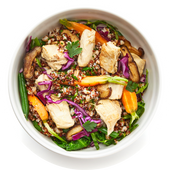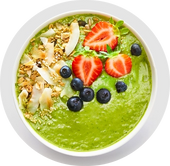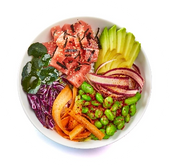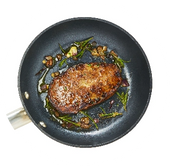



In modern kitchen development, we often talk about plating for visual impact or structuring a menu for nutritional balance. In South Korea, however, this isn't a modern food trend - it is an ancient cosmological philosophy known as Obangsaek (오방색), meaning "five direction colours".
What is Obangsaek?
Obangsaek (오방색) is an ancient Korean food philosophy that divides ingredients into five colours - White, Black, Green, Red, and Yellow - each representing a different element, season, and nutritional benefit.
While modern kitchen development often talks about plating for visual impact or structuring a menu for nutritional balance, in South Korea this idea is not a modern food trend, but part of a much older cosmological philosophy known as Obangsaek, meaning “five direction colours”.
Rooted in Yin and Yang principles and the Five Elements theory, Obangsaek states that the universe is governed by five core energies, each represented by a specific colour, direction, season, and physical organ. In traditional Korean cuisine (Hansik), a truly harmonious meal must balance all five elements. By serving a dish that features White, Black, Green/Blue, Red, and Yellow, a chef is not just offering a visual masterpiece; they are delivering a nutritionally complete plate designed to promote total physical well-being.
For menu-builders looking to elevate authenticity, command premium pricing, and weave compelling culinary storytelling into their dishes, here is a practical guide to unlocking the power of Obangsaek on modern menus.
The Five Colours of Obangsaek
1. White (Baek)
-
Cosmic Alignment: The West, Autumn, and the element of Metal.
-
Nutritional Focus: In traditional medicine, white foods are linked to lung function, respiratory health, and immunity.
-
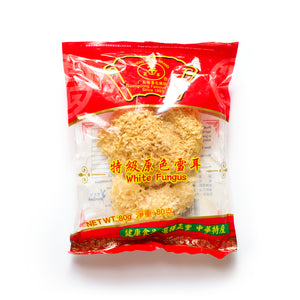
Pantry Essentials: White components include Pickled White Radish, rice, Dried White Fungus, onions, garlic, lotus root, and bean sprouts. Soup Soy Sauce provides the invisible flavour backbone here, adding flavour without altering the white colour.
2. Black (Heuk)
-
Cosmic Alignment: The North, Winter, and the element of Water.
-
Nutritional Focus: Black ingredients are associated with wisdom, calm, and supporting the kidneys and bladder.
-
Pantry Essentials: This is where texture lives on a Korean menu. Key ingredients include earthy Shiitake Mushroom caps, textured Dried Black Fungus, black sesame, and toasted seaweed sheets.
3. Green/Blue (Cheong)
-
Cosmic Alignment: The East, Spring, and the element of Wood.
-
Nutritional Focus: Representing youth, vitality, and growth, green foods are prized for strengthening the liver and aiding digestion.
-
Pantry Essentials: Herbaceous and fresh elements like rich Perilla Oil (pressed from the seeds of the vibrantly green Kkaennip / Perilla Leaf), scallions, cucumber, courgette, chives, and wild mountain greens (namul).
4. Red (Jeok)
-
Cosmic Alignment: The South, Summer, and the element of Fire.
-
Nutritional Focus: Red represents pure, passionate Yang energy. It is utilized to stimulate blood circulation and protect the heart.
-
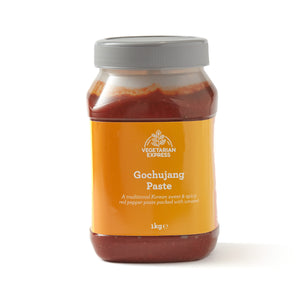
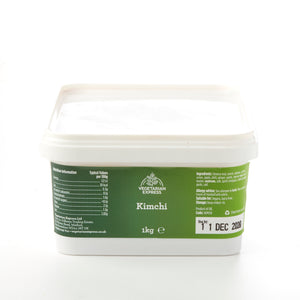
Pantry Essentials: The fiery, umami-rich soul of the menu. Think robust Kimchi, Gochujang Korean Hot Pepper Paste, and a heavy dusting of Korean Coarse Hot Red Pepper Powder (Gochugaru).
5. Yellow (Hwang)
-
Cosmic Alignment: The Center, Late Summer, and the element of Earth.
-
Nutritional Focus: Historically the colour of royalty and nobility, yellow is connected to the stomach and spleen, known for stimulating the appetite and stabilizing digestion.
-
Pantry Essentials: Rich, unctuous components like golden egg yolks, sweet potatoes, squash, and fermented soy bean products like Doenjang (Soy Bean Paste).
Obangsaek in Action: 3 Commercial Menu Concepts
You don't need to reinvent your kitchen to capitalize on this framework. Here is how to apply the five-colour spectrum to high-margin, operational friendly formats using your premium pantry staples:
1. The Ultimate Obangsaek Bibimbap (The Rice Bowl)
Bibimbap, meaning 'mixed rice', is Korea's most iconic one-bowl dish, and the most natural expression of this philosophy.
-
White: A base of steamed rice, ringed with crunchy Pickled White Radish.
-
Black: Sautéed, earthy Shiitake Mushroom ribbons and threads of Dried Black Fungus.
-
Green: Quick-blanched zucchini and spinach seasoned lightly with Perilla Oil.
-
Red: A bright, generous dollop of raw Gochujang Paste.
-
Yellow: Finished with a golden egg yolk or a pool of rich, savory Korean Soy & Garlic Dipping Sauce over pan-fried tofu strips.
2. High-Heat Tteokbokki Street Bowls
Tteokbokki are chewy Korean rice cakes, soft cylinders of compressed rice dough, typically served in a spicy, sticky sauce.
Street food is a brilliant canvas for colour theory, driving massive visual engagement on social media and on the pass.
-
White: Plump, chewy Korean Rice Cakes (Tteokbokki) blanched to perfection.
-
Red: Smothered in our rich, vibrant Tteokbokki Korean Rice Cake Sauce.
-
Green & Yellow: Tossed with bright green scallion batons and a julienne of yellow bell peppers.
-
Black: Dusted with toasted black sesame seeds and crumbled seaweed powder to finish.
3. The 5-Colour Savoury Pancake (Obangsaek Jeon)
Perfect as an appetizer or a premium sharing plate, this utilizes a base batter to hold distinct, colourful inclusions.
-
Create a crisp, savory base using our Korean Pancake Mix, whisked with a touch of Doenjang (Soy Bean Paste) for background umami.
-
Fold in equal, vibrant columns of red Kimchi strips, green chives, earthy Shiitake Mushroom slices, yellow squash julienne, and tender white onions.
-
Flash-fry until crisp and serve alongside our pre-blended Korean Sweet & Spicy Dipping Sauce for a complete flavour narrative.
Why it Matters
Obangsaek isn't just an aesthetic framework, it's a menu development tool. Dishes built on the five-colour principle are naturally visually striking, nutritionally varied, and rich with cultural storytelling.
For chefs looking to add depth and authenticity to Korean-inspired menus, it's one of the most compelling frameworks going.
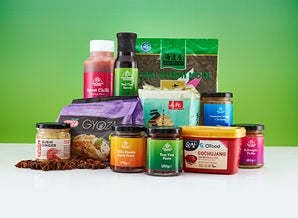
Explore our full range of Korean ingredients to start building with it.