FREE delivery over £60
Order before 5:00pm for NEXT DAY DELIVERY*
Over 1000 plant-based ingredients
Skip to content
Blue Zones
Food Trends
Fusion
Health
Small Plates
Sustainability
Vegan

What's Driving Plant-Based Menus in 2026: 5 Key Insights for Chefs

Written by Emma Gregory, Category Manager at Vegetarian Express

As we move into 2026, one thing is clear: plant-forward menus are no longer a niche trend - they’re the standard. Chefs across foodservice are balancing flavour, health, and sustainability in ways that feel exciting, familiar, and scalable.

“Together, these insights show that plant-forward menus need to deliver health, taste, and adaptability - without compromise.”
 - Emma Gregory, Category Manager

Here are the five key insights shaping the menus of tomorrow.


1. Flexitarian Is the Norm, Not the Niche

As of May 2025, around 21.5% of consumers in Great Britain identify as flexitarians (AHDB, Kantar Usage Data, 52 weeks ending 23 February 2025). The flexitarian movement is no longer a side trend - it’s mainstream.

This shift means chefs need to develop dishes that celebrate vegetables and pulses as hero ingredients, not afterthoughts. Menus that deliver satisfaction, substance, and story - without relying on meat - are becoming the new benchmark.


2. Health Is Holistic and Functional

Health isn’t just about calories or macros anymore. Today’s diners look for dishes that support gut health, mood, and energy - what’s known as functional eating.

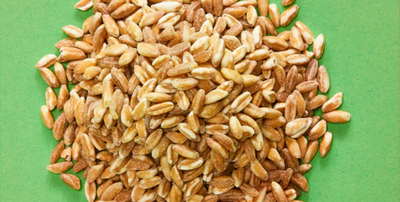
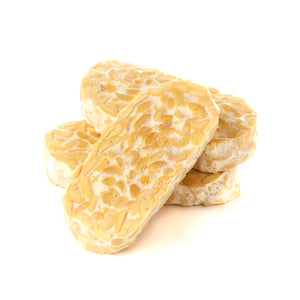
Expect to see more fermented foods, high-protein plants, wholegrains, and nutrient-dense vegetables taking centre stage. Think barley risottos with tempeh, gut-friendly ferments in salads, and lentil stews layered with umami.

Functional ingredients don’t just boost wellbeing - they add texture, flavour, and substance to menus.


3. Taste and Familiarity Still Drive Choices

Even as sustainability and health shape purchasing decisions, taste remains king. Diners are open to innovation, but look for dishes which feel familiar and indulgent.

Formats that bridge the gap between comfort and creativity - burgers, curries, and pies - are still among the strongest performers. The key is to use plant-based ingredients that deliver bold, recognisable flavours, like smoked seasonings, slow-cooked sauces, and layered spice blends.


4. Sustainability Is a Menu Must

Sustainability has moved from “nice-to-have” to non-negotiable. Operators are looking beyond carbon footprint to consider biodiversity, waste reduction, and sourcing transparency.

Pulses, legumes, and upcycled ingredients are proving invaluable - offering both environmental and operational benefits. From British-grown grains to low-waste menu design, chefs are rethinking how sustainability can enhance flavour rather than limit it.


5. Convenience and Customisation

Today’s menus need to be adaptable. Diners expect gluten-free, high-protein, allergen-friendly, and plant-based options - all without slowing down service.

Chef-ready ingredients and modular menu formats help operations meet that demand. Bowls, wraps, and thalis built from flexible base elements make it easier to deliver consistency and creativity at scale.


A Market of Millions

The plant-forward shift isn’t slowing down. According to Finder’s 2025 diet survey:

·         6.4% of UK adults (≈ 3.4 million people) plan to follow a vegan diet this year.

·         11.5% (≈ 6.1 million) expect to stay vegetarian.

That’s more than one in six adults living meat-free, placing the UK near the top of Europe’s plant-based leaderboard.

The Takeaway

The message for 2026 is clear: menus that balance health, flavour, and flexibility will lead the way. Whether it’s reworking classics with sustainable ingredients, adding fermented layers for gut health, or creating inclusive allergen-free menu options that cater for all, the opportunity is huge.

Plant-forward cooking isn’t a trend anymore - it’s the future of flavour.

Want the inspiration driving plant-based menus in 2026 read our full Food Trends report here.


Back to Blogs

The easy way to get plant-based on your menu

Over 600 amazing plant-based recipes at your fingertips.

Visit Seed-Bank
A plate of vegetarian food

Related Articles

View All Blogs
Living Beyond 100: Building Blue Zone-Inspired Menus
Reviewed by Dan Blucert, Innovation Chef – Vegetarian Express Around the world, a handful of regions are home to people who routinely live well past 100. Known as the Blue Zones — Okinawa (Japan), Ikaria (Greece), Sardinia (Italy), Nicoya (Costa Rica), and Loma Linda (California) — these communities share more than longevity. Their diets are vibrant, satisfying, and deeply rooted in place. Meals centre on seasonal vegetables, grains, and pulses, with meat used sparingly as a flavour accent rather than the star. For chefs, Blue Zone thinking offers a framework for food that delivers flavour, health, and sustainability all at once.   “The Blue Zone foods are all very colourful. That variety is important for both long-term health and happiness — and it’s reflected in the range of ingredients used in our recipes.” — Dan Blucert, Innovation Chef   What Defines a Blue Zone Diet? Despite spanning different continents and cuisines, the world’s longest-living communities share five key food principles: 1.      90–95% plant-based 2.      Foundation of beans and grains 3.      Minimal processed foods 4.      Seasonal, locally sourced produce 5.      Food as a social anchor These principles naturally align with 2026’s menu drivers — functional health, flexitarian dining, and sustainability — without compromising on flavour or comfort. A Global Framework for Menu Development Each Blue Zone offers chefs a different flavour profile, ingredient base, and creative direction. Okinawa, Japan  Okinawans thrive on a diet rich in vegetables, tofu, and sweet potatoes, paired with purposeful movement and strong social ties. Menu inspiration: Miso-Ginger Tofu Poke Bowl layered with colourful vegetables and wholesome grains Black Rice with Ginger Tempeh – protein rich and vibrant Core foods: Tofu, seaweed, miso, sweet potatoes, sesame. Ikaria, Greece  Ikarians follow a relaxed Mediterranean rhythm — a diet rich in olive oil, vegetables, and, legumes, combined with  afternoon naps, natural movement and strong social ties. Menu inspiration: Black Eye bean stew with aubergine, courgette, and rosemary oil Garlic and lemon jackfruit orzo Chickpea and spelt flatbread Core foods: Chickpeas, lentils, black-eye beans, wild greens, olive oil, rosemary. Sardinia, Italy Sardinians enjoy strong family ties and diets built on wholegrains, legumes, vegetables, and goat’s cheese. Menu inspiration: Chickpeas and fregola in tomato sauce with spinach Plant-based shrimp and saffron fregola Potato culurgiones Core foods: Farro, fava beans, chickpeas, olive oil, spinach, tomatoes. Nicoya, Costa Rica In Nicoya, daily physical activity and a diet of beans, corn, and tropical produce drive vitality. Menu inspiration: Black bean and pumpkin enchiladas Gallo Pinto with charred corn and squash Black-eye bean and plant-based ‘bacon’ soup Core foods: Rice, corn, black beans, squash, tropical fruits, jalapeños.   “Rice and beans are always a good place to start with Costa Rican cuisine — versatile, full of fibre, and deeply satisfying.” — Dan Blucert, Innovation Chef   Loma Linda, California, USA Home to a large community of Seventh-day Adventists, Loma Linda’s plant-forward diet includes nuts, legumes, and whole grains, balanced with rest and purpose. Menu inspiration: Californian Cobb Salad Heura Chicken Caesar Strawberry salad  Core foods: Lentils, soy, nuts, leafy greens, olives, citrus fruits, berries. Building Blue Zone Dishes: A Chef’s Framework When adapting Blue Zone principles to modern menus, structure is key. Start with Produce – Fill half the plate with vegetables and fruit. Add Protein – Choose beans, lentils, tofu, tempeh, or nuts for a quarter. Round Out with Grains – Use wholegrains like farro, brown rice, or barley for the rest. Season Regionally – Herbs, spices, and cooking styles define each zone’s unique flavour story. Blue Zone-inspired plates are colourful, abundant, and nutrient-dense — generous in appearance, yet balanced and purposeful in design. Why It Matters in 2026 Aligns with growing demand for functional, health-driven menus. Naturally plant-forward and sustainable Offers flavour diversity without losing familiarity. Works across workplace, care, and high-street settings. These dishes naturally hit the 2026 sweet spot: health-driven, sustainable, flavour-packed, and flexitarian-friendly. Want the inspiration driving plant-based menus in 2026 read our full Food Trends report here.    
Read More
Blue Zones
Food Trends
Grains
Global Mash-Ups: Telling New Stories Through Familiar Forms
Reviewed by Dan Blucert, Innovation Chef – Vegetarian Express Some call it Frankenstein food. Others call it fusion. Whatever you call it, global mash-ups are defining menus in 2026. Chefs are blending culinary traditions from across the world — but this time, it’s not about novelty. It’s about intent. These dishes start from a place of respect for the originals, build on authentic techniques, and anchor themselves in formats diners already understand. “The best global mash-ups feel as if they’ve always belonged on the menu.” — Dan Blucert, Innovation Chef   Familiar Comfort, New Perspective A Yorkshire pudding filled with teriyaki beef instead of roast. A taco packed with tandoori-spiced tempeh. A sushirito filled with katsu curry.  Each one brings something exciting yet recognisable — the spark of something new with the comfort of something familiar. That balance helps win over diners who are curious but cautious.   Local Meets Global Local sourcing plays a key role in making these mash-ups work. Using regional produce to interpret global flavours tells a better story and keeps food miles low. A ramen with British-grown greens or a pizza topped with UK-made kimchi doesn’t just taste good — it celebrates locality within a global context. “A ramen built with Dorset seaweed and Yorkshire greens tells a better story than one reliant on imported produce.” — Dan Blucert, Innovation Chef   Efficiency on the Pass For busy kitchens, global mash-ups can also mean efficiency. Shared sauces, marinades, and condiments streamline prep across multiple dishes. A single house-made gochujang mayo can work in a burger, a sandwich, or as a dip for fries. It’s about less prep and more impact, helping teams stay agile while keeping dishes exciting.   Why It Matters in 2026 ·         Bridges adventurous flavour with familiar formats. ·         Local produce reduces food miles and adds storytelling value. ·         Shared sauces and condiments streamline prep. ·         Plant-forward proteins adapt beautifully to global marinades.   Menu Inspiration Explore these flavour combinations from our chefs: ·         Tandoori Taco – layered spice and charred heat in a handheld classic. ·         Teriyaki Beef Yorkshire Pudding  (below) – East Asia meets Northern England with savoury-sweet balance. ·         Al Pastor Pizza – the flavours of smoky pineapple and chilli on a crisp Italian base. ·         Katsu Curry Sushirito – portable, punchy, and crowd-pleasing. ·         Creamy Nori & Bacon Spaghetti – umami and indulgence in equal measure.   The Takeaway This isn’t about chasing trends. The best global mash-ups respect origin, celebrate seasonality, and fit seamlessly on modern menus. For chefs, it’s an opportunity to experiment with global flavour logic — using plant-based proteins, bold condiments, and regional sourcing to create dishes that feel both surprising and grounded. Explore what's driving menus in 2026 in our full Food Trends report.
Read More
Food Trends
Fusion
Small Plates, Big Flavours: Why This Format Wins for Chefs in 2026
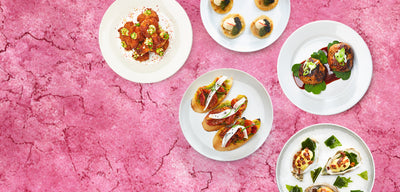
Reviewed by Dan Blucert, Innovation Chef – Vegetarian Express Small plates have moved beyond being a restaurant trend. In 2026, they’re a smart operational choice — offering variety for diners, efficiency for kitchens, and a platform for creative, plant-forward cooking. For chefs, small plates make it possible to showcase premium ingredients without the cost or waste of large portions. For diners, they mean freedom — the ability to try bold new flavours alongside familiar favourites, or to share a spread that mixes cuisines, textures, and formats.   “Small plates are the perfect platform for plant-based creativity.” — Dan Blucert, Innovation Chef Dan Blucert is Innovation Chef at Vegetarian Express, specialising in plant-forward menu development for modern foodservice operations.   Why Small Plates Work From an operational perspective, smaller portions reduce waste, encourage cross-utilisation, and make premium ingredients viable across multiple menu items. For diners, it’s about exploration — trying a vegan ‘oysters’ Kilpatrick next to a truffle ‘mayo’ mushroom arancini, or pairing a pumpkin and ‘sour cream’ manti with a chipotle corn tamale. This format invites curiosity. Diners are more open to trying new ingredients or global flavours when they’re presented as part of a sharable, colourful spread. A Platform for Plant-Based Creativity Small plates give chefs space to experiment - to bring out the best in British-grown heritage beans, underused grains like amaranth and spelt, or flavour-building techniques like fermentation and smoking. They also suit flexitarian dining perfectly. Plant-based, vegetarian, and meat dishes can sit side by side on the same table, satisfying varied dietary needs in one sitting. Cross-utilising marinades, sauces, and garnishes keeps prep streamlined and menus cohesive, making small plates both creative and commercially efficient. Menu Inspiration BBQ Cauliflower Wings – sticky, smoky, and perfect for sharing. Butterbean & Chimichurri Blinis – light, bright, and rich in plant protein. Lion’s Head Meatballs with Char Siu Sauce – hearty, aromatic, and packed with umami. Daikon Boquerones with Pesto and Sun-Dried Tomatoes – fresh, tangy, and vibrant. Vegan ‘Oysters’ Kilpatrick – indulgent and inventive, reimagining a classic. Get these recipes and hundreds more at seed-bank.co.uk. Why It Matters in 2026 ·         Encourages diners to explore and try plant-based dishes. ·         Reduces waste and supports premium ingredient use. ·         Fits with mixed dietary needs in one sitting. ·         Supports seasonal menu rotation. Small plates don’t just deliver variety and vibrancy — they’re a menu strategy that makes operational and creative sense. Want the inspiration driving plant-based menus in 2026 read our full Food Trends report here.  
Read More
Food Trends
Small Plates
Sustainable Menus: Why Indian Plant-Based Dishes Tick All the Boxes
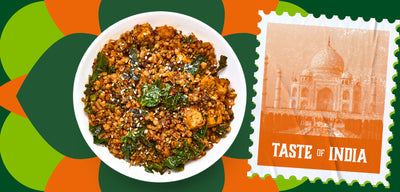
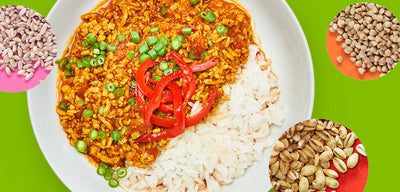
As sustainability moves from a nice-to-have to a non-negotiable, chefs and catering professionals are under pressure to design menus that deliver on both flavour and environmental impact. Today, clients want more than delicious. They want climate-conscious. When it comes to creating menus that are low-carbon, high-protein and big on taste, Indian plant-based cuisine stands out. And at the centre of this sustainable shift is one powerful dish: the Future 50 Biryani.  Why Indian Plant-Based Dishes Work So Well Indian cuisine naturally lends itself to plant-forward cooking. Long before sustainability became a trend, Indian kitchens were using lentils, chickpeas, seasonal vegetables, pulses and grains to create satisfying, protein-rich meals. With flavour built through layering spices, ferments and regional techniques, these dishes offer all the comfort and satisfaction of meat-based meals - without the environmental cost. For chefs and menu planners, this makes Indian cuisine a smart solution for: Meeting net-zero and biodiversity goals Catering to diverse dietary needs (vegan, vegetarian, flexitarian) Keeping food costs efficient and portions scalable   Traditional Indian Cooking: Low Waste, High Impact In addition to smart ingredient choices, traditional Indian cooking techniques offer naturally zero waste recipes. Regional cooking methods have long prioritised root-to-leaf usage, fermentation, preserving and batch cooking — all best practices for sustainable kitchens. Examples include: Using vegetable peels and stalks in stocks and chutneys Leftover rice turned into spiced stir-fries or pancakes Pickling and dry roasting to extend shelf life and reduce spoilage These aren’t trends — these are time-tested cooking methods that don’t just reduce waste, they save time, lower costs, and simplify operations in professional kitchens. The Future 50 Biryani The Future 50 Biryani is a chef-ready reimagining of a classic biryani, made with Future 50 Foods - a collection of ingredients identified by Knorr and WWF as both nutrient-rich and planet-friendly. What’s inside: Black barley and Buckwheat – a high-fibre ancient grain with a lower footprint than refined rice Tempeh – a fermented soy product offering deep umami and plant-based protein Kale, golden linseed, cracked freekeh, puffed quinoa – layered textures and nutritional value Achari paste – spiced pickle flavours that bring heat, tang and complexity Designed for professional kitchens, this biryani is easy to batch, holds well, and delivers a centrepiece dish with a standout sustainability story.   The Takeaway: One Dish, Real Impact Whether you’re serving corporate clients, education settings or public sector contracts, the Future 50 Biryani is a single, scalable solution to many modern challenges: Plant-based, protein-rich, satisfying Built with Future 50 ingredients for biodiversity and sustainability Naturally low-waste and operationally efficient Culturally relevant and crowd-pleasing With the Future 50 Biryani, we’ve taken a timeless favourite and made it climate-forward. It’s bold, versatile, and fits perfectly into modern foodservice operations - no compromise on taste. — Dan Blucert, Innovation Chef, Vegetarian Express Dan has over 25 years of kitchen experience, and alongside his job as Vegetarian Express Innovation Chef, owns two award winning South London pubs. Dan has developed innovative plant-based menus long before veganism exploded in the UK.  Ready to Make Your Menu More Sustainable? Explore how the Future 50 Biryani can help your kitchen lead on sustainability without sacrificing flavour or flexibility. Explore our Future 50 Foods range →  
Read More
Flavours
Food Trends
Grains
Trending Vegetarian Indian Dishes for Menus in 2025
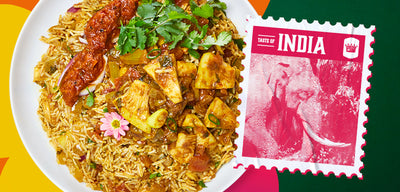
What’s Driving the Popularity of Vegetarian Indian Dishes? Vegetarian Indian cuisine is no longer a niche - it’s becoming the centrepiece of modern menus. Operators are embracing dishes that are naturally plant-based, rich in heritage, and layered with flavour. The rise of flexitarianism, demand for sustainable food choices, and the increasing appetite for regional authenticity have all contributed to this shift. Consumers are not just looking to avoid meat - they want food that excites them. Indian cuisine, with its use of pulses, legumes, whole spices and slow-cooked sauces, provides that in abundance.   Vegetarian Indian Dishes Gaining Traction in 2025 Based on evolving consumer tastes and menu innovation, here are some of the most popular vegetarian indian dishes we believe will define forward-thinking menus in 2025. Jackfruit Biryani with Aubergine Pickle A centre-of-plate showstopper. Jackfruit replicates the texture of lamb or mutton, while aubergine pickle adds acidity and regional depth. Biryani is a dish that brings both comfort and complexity. ✅ Why it fits: Jackfruit continues to gain traction as a natural meat replacement in foodservice. Google Trends shows strong interest in jackfruit-based meals. View the recipe   Lentil Vindaloo A punchy reinterpretation of a Goan classic. Swapping pork for lentils makes this dish suitable for vegans while retaining its characteristic tang and spice. ✅ Why it fits: Lentils are a staple in plant-based menus and are growing in popularity for their protein and affordability. UK lentil sales grew by 11% in 2024. (https://www.indexbox.io/blog/lentil-united-kingdom-market-overview-2024-1/) View the recipe   Indian Breakfast Paratha Indian isn’t just for dinner. Inspired by Dishoom, this spicy breakfast is full of flavour using both our Rogan Josh Paste and Lime Pickle.  ✅ Why it fits: Breakfast and brunch are the fasting growing meal occasions. View the recipe    Pakora Salad Crispy fritters meet freshness. This salad format taps into the demand for texture variation and colour on the plate - great for light lunches or starters. ✅ Why it fits: Texture-driven dishes with global street-food inspiration are highly in demand. View the recipe   Tofu Madras Inspired by Tamil Nadu, this southern Indian curry pairs tofu with a fiery tomato base and roasted spices. It’s a compelling option for diners seeking vegan protein. ✅ Why it fits: Diners increasingly want to go beyond generic “curry” labels and explore specific regional styles. View the recipe   Chilli Naan & Onion Bhaji Toastie Street food reimagined. This fusion dish blends British grab-and-go sensibility with Indian spice - ideal for fast casual and café menus. ✅ Why it fits: Demand for “familiar with a twist” is on the rise, making fusion dishes like this a standout on competitive menus. View the recipe   Parsnip Bhaji with Mango Chutney A seasonal take on a classic snack. Root vegetables like parsnip provide texture and sweetness, balanced by fruity chutney. ✅ Why it fits: Seasonality is back in the spotlight as chefs look to reduce food miles and connect with local produce. Swapping traditional onions for British-grown parsnips brings a sweet, earthy twist to the classic bhaji - ideal for autumn and winter menus. View the recipe   How to Integrate These Dishes into Modern Menus   Lean into Regionality Label dishes by their origin to increase perceived authenticity (e.g., “Goan-style Vindaloo,” “Madras Curry”). Regional cues elevate value and intrigue. Highlight Health and Sustainability Use language around whole foods, plant proteins, and seasonal veg. Dishes like Tofu Madras and Jackfruit Biryani tick sustainability and wellness boxes simultaneously. Create Grab-and-Go Versions Dishes like the Onion Bhaji Toastie and Pakora Salad are ideal for retail or QSR formats. They’re flavour-packed, travel well, and require minimal back-of-house prep. Build Custom Bowl Menus Combine dishes like Flamingo Pea Dahl, Brown Rice, and Tofu Achari into modular bowl offerings also known as Thali. These are perfect for canteens, education, and workplace dining.     As foodservice continues to evolve, vegetarian Indian dishes are proving themselves not only as trend-worthy but as menu essentials. They offer deep, bold flavours, regional narratives, and plant-based appeal - all while meeting sustainability goals. With the right integration, these recipes will keep your menus ahead of the curve.
Read More
Flavours
Food Trends
Indian
A Culinary Journey Through Mexico: Exploring 9 Regional Mexican Dishes
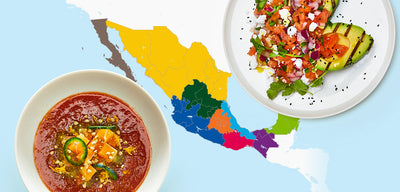
Mexico’s rich and diverse culinary heritage is a direct reflection of its varied geography, indigenous cultures, and global influences. Let’s dive into nine key food regions, exploring their defining characteristics, iconic dishes, key ingredients, and the chefs and restaurants keeping these traditions alive. Chiapas & Tabasco Flavourful Simplicity Rooted in Tradition Chiapas cuisine blends indigenous roots with Spanish influences, featuring rustic dishes with simple yet bold flavours. Corn, cacao, and tropical herbs stand out, while banana leaves and unique chillies add a signature flair. Iconic Dishes Cochito – Slow-roasted marinated pork, often served at festivals. Corn Tamales – Made from seasoned corn dough (masa) filled with various ingredients and then wrapped in corn husks or banana leaves. Tascalate – A cold, spiced drink made with corn, cacao, pine nuts, and achiote. Key Ingredients Chipilín (local herb) Cacao Banana leaves Simojovel chilli (aka chile piquín) Hoja santa Notable Figures & Places Chef Marta Zepeda is known for preserving indigenous Chiapaneco flavours at Tierra y Cielo restaurant in San Cristóbal de las Casas. Central Mexico & Mexico City A Melting Pot of Flavours Mexico City’s cuisine reflects the capital’s history as a hub for migration, blending culinary traditions from across Mexico with global influences. From vibrant street food stalls to fine dining, the city’s food scene is as diverse as its population. Iconic Dishes Tacos al Pastor – Marinated pork cooked on a vertical spit, served with pineapple, onions, and coriander. See our al Pastor Marinade. Torta Ahogada – A crusty bread roll filled with pork and refried beans, drowned in spicy tomato sauce. Barbacoa – Slow-cooked lamb, traditionally pit-roasted, served with consommé and tortillas. Loaded Nachos – A vibrant street food favourite in Mexico City made with crispy tortillas and often topped with tomatillos, sour cream and cheese. Key Ingredients Maize Coriander Avocado Chillies (varied types) Epazote Notable Figures & Places Chef Enrique Olvera has elevated Mexican cuisine to international acclaim with Pujol, consistently ranked among the world’s best restaurants. Nicos, a family-run institution, preserves traditional recipes with a contemporary touch. Los Loosers Mexico’s first vegan restaurant seamlessly blends Japanese and Mexican influences into its innovative plant-based cuisine. Northern Mexico  Grilled Meats and Rugged Simplicity Northern Mexico’s cuisine reflects its vast ranch lands and rugged climate, with a focus on grilled meats, preserved ingredients, and wheat-based breads. It combines indigenous techniques with Spanish and immigrant influences, particularly from Germany, China, and the United States. Iconic Dishes Carne Asada – Grilled beef, marinated simply (with citrus and Jalapeño) and served with tortillas, salsas, and charred vegetables. Arrachera – Marinated in achiote adobo, grilled skirt steak, often served with grilled vegetables. Machaca – Air-dried, chilli-spiced beef, rehydrated and cooked with eggs or vegetables. Queso Fresco –  A fresh, mild Mexican cheese with the name literally meaning “fresh cheese” in Spanish. Key Ingredients Beef Flour tortillas Dried chillies Queso Menonita (Chihuahua cheese) Nopales (cactus paddles) Notable Figures & Places Pangea in Monterrey, led by Chef Guillermo González Beristáin, is widely considered one of the north’s most innovative fine dining destinations. Oaxaca (Wahaca) A Tapestry of Moles and Tradition Oaxaca’s cuisine is a rich tapestry of indigenous Mixtec and Zapotec traditions, influenced by Spanish colonial touches. Its famous moles, artisanal cheeses, and ancient cooking techniques make it a gastronomic treasure. Iconic Dishes Mole Negro – A rich, complex sauce made with chillies, chocolate, nuts, and spices, served over meat. Tlayuda – A large, crisp tortilla topped with beans, cheese, avocado, meat, and salsa - known affectionately as a Mexican pizza. Enmoladas – Tortillas dipped in mole sauce and filled with cheese or meat. Key Ingredients Maize Hoja santa Pasilla Oaxaqueña chilli Black beans Oaxaca cheese Notable Figures & Places Chef Alejandro Ruiz of Casa Oaxaca is renowned for elevating Oaxacan cuisine with modern techniques. Itanoni, a small eatery in Oaxaca City, celebrates heirloom maize and traditional tortilla-making. Chef Rodolfo Castellanos, winner of Top Chef México, runs Origen, blending traditional flavours with contemporary presentations. Hierba Dulce offer a 100% plant-based menu using ingredients grown in their agroecological garden.  Veracruz Where Land Meets Sea Veracruz cuisine blends indigenous, Spanish, and Afro-Caribbean influences into a seafood-centric culinary tradition. Rich sauces, tropical fruits, and fragrant herbs characterise the state’s dishes, with a balance of savoury and sweet. Iconic Dishes Huachinango a la Veracruzana – Red snapper cooked with tomatoes, olives, capers, and herbs. Arroz a la Tumbada – A seafood rice dish cooked with tomatoes and chillies. Garnachas – Fried maize discs topped with shredded meat, salsa, and cheese. Plantain Tostada – A flat, crispy fried or baked corn tortilla topped with plantain. Key Ingredients Vanilla Acuyo (anise-scented leaf) Plantain Seafood (red snapper, shrimp) Rice Notable Figures & Places Chef Raquel Torres Cerdán has dedicated her career to documenting and preserving Veracruz’s indigenous culinary traditions.   Western Mexico / Pacific Coast A Celebration of Flavour and Festivity Western Mexico’s cuisine is a reflection of the region’s rich natural resources, indigenous Purepecha traditions, and Spanish influences. It ranges from hearty stews to celebratory dishes, often accompanied by regional spirits. Iconic Dishes Birria – A spiced meat stew (goat, lamb, or beef) slow-cooked and served with tortillas and consommé. Carnitas – Pork slow-cooked in its fat, a speciality of Michoacán. Pozole – Hominy stew with pork, cabbage, radish, and oregano. Key Ingredients Maize Pork Chillies (cascabel, guajillo) Limes Avocado Notable Figures & Places Chef Margarita Carrillo Arronte, an ambassador for Mexican cuisine, has highlighted Michoacán’s culinary heritage in her books and television programmes. Alcalde in Guadalajara, led by Chef Francisco Ruano, showcases modern interpretations of local ingredients and dishes. Yucatán Mayan Heritage and Caribbean Flair Yucatán’s cuisine fuses ancient Mayan traditions with European and Caribbean influences, creating a unique culinary identity. Slow-cooked meats, citrus marinades, and vibrant salsas define the region’s distinctive flavours. Iconic Dishes Cochinita Pibil – Slow-roasted pork marinated in achiote and bitter orange, wrapped in banana leaves. Sopa de Lima – Aromatic chicken soup with lime and crisp tortilla strips. Papadzules – Tortillas filled with egg and topped with pumpkin seed sauce and tomato. Pollo a la Naranja – A roasted chicken dish marinated in orange. Key Ingredients Achiote Bitter orange Plantain Banana leaves Chaya (leafy green) Notable Figures & Places Chef Roberto Solís of Néctar in Mérida is a pioneer of New Yucatecan Cuisine, blending traditional ingredients with contemporary techniques. Chef Pedro Evia’s K’u’uk is renowned for its innovative tasting menus inspired by Yucatán’s culinary history. Hacienda Teya, a historic estate, is famous for serving traditional Yucatecan feasts in an elegant setting. Bajío A Culinary Heartland of Central Mexico The Bajío region, often considered the culinary heartland of Mexico, brings together a rich blend of indigenous and colonial influences. Known for its fertile plains and mild climate, the area is home to a variety of fresh produce, hearty stews, and deliciously complex flavours. The region’s food is grounded in simplicity but delivers depth through unique preparations and fresh seasonings. Iconic Dishes Enchiladas Mineras – A regional take on enchiladas, often filled with chicken or beef, covered in a rich red chilli sauce. Sopa Tarasca – A hearty tomato-based soup originating from the region, often served with a side of crispy tortilla strips. Pico de gallo – A fresh salsa made from chopped tomatoes, onions, cilantro, and lime, served as a side to almost any meal. Key Ingredients Corn Pork Chillies (particularly guajillo) Fresh herbs like cilantro and oregano Tomatoes Notable Figures & Places Chef Juan José Saldívar is a well-known figure in the Bajío and is celebrated for his work in promoting traditional Guanajuato cuisine. His restaurant, El Pialadero de Lorenzo, showcases the rich culinary traditions of the region. Baja California A Fusion of Freshness and Coastal Flavours Baja California cuisine is a dynamic fusion of Mexican, Mediterranean, and Asian influences, shaped by the region’s proximity to the Pacific Ocean and the US border. Known for its emphasis on fresh, high-quality seafood, including fish tacos, ceviche, and a variety of shellfish. With an array of vegetables, spices, and fresh seafood, Baja California’s cuisine is fresh, innovative, and perfectly aligned with its coastal lifestyle. Iconic Dishes Fish Tacos – Freshly battered fish, often served with cabbage, crema, and salsa, wrapped in soft corn tortillas. Ceviche de Pescado – Raw fish marinated in lime juice and mixed with tomatoes, onions, and cilantro, creating a refreshing and zesty dish. Langosta (Lobster) – Baja is famous for its lobster, often grilled or served in tacos with rich butter and garlic. Aguachile - a seafood dish traditionally made with raw shrimp, which is “cooked” in lime juice and mixed with chillies, coriander, cucumber, and red onion. Key Ingredients Seafood (fish, lobster, shrimp) Avocados Lime Olive oil Fresh herbs (oregano, cilantro) Tomatoes Notable Figures & Places Chef Javier Plascencia has championed Baja Med Cuisine, blending Mexican ingredients with Mediterranean influences at Misión 19 in Tijuana. Chef Benito Molina, renowned for his expertise in coastal Baja cuisine, especially seafood, is a prominent figure in the region’s fine dining scene.      Need wholesale Mexican ingredients? Explore our authentic collection.
Read More
Flavours
Food Trends
Mexican
Fermentation vs. Pickling: What’s the Difference and Why Does It Matter?
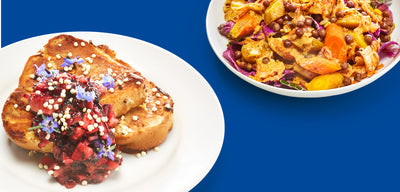
Fermentation and pickling are two ancient methods for preserving food, yet they’re often confused because both can turn simple ingredients into flavourful, long-lasting delights. However, they differ significantly in their processes, benefits, and the flavours they create. Let’s dive into what sets these methods apart and why foods like sauerkraut and kimchi are popping up on all kinds of menus. Fermentation: Preserving with Beneficial Bacteria Fermentation is a natural process where beneficial bacteria break down sugars in foods, creating lactic acid. This acid acts as a preservative and gives fermented foods their distinctive tangy flavour. For example, sauerkraut (fermented cabbage) and kimchi (a spicy, seasoned Korean cabbage dish) develop their complex flavours through this fermentation process. The bonus? Fermented foods are packed with probiotics, which support gut health and digestion. Pickling: Preserving with Acid Pickling, on the other hand, relies on adding vinegar or another acidic solution to preserve foods. This creates an environment too acidic for bacteria to thrive, extending the shelf life of foods without relying on active fermentation. Pickled foods, like traditional dill pickles (gherkins), or pickled onions, have a more straightforward sour taste, often without the same probiotic benefits as fermented foods. The vinegar added does however help with digestion. Flavour and Shelf Life Benefits Both methods have their own advantages. Fermentation develops complex, savoury flavours that deepen over time, while pickling offers a bright, acidic taste. Both processes also preserve foods for weeks or even months as their flavours mature in the jar. This is particularly helpful for reducing food waste. By understanding the difference between fermentation and pickling, you can explore a wide range of preserved foods that are delicious, nutritious, and sustainable. Each bringing its flavour twist to your menu. Giving You a Headstart We've developed several recipes using pickled and fermented ingredients from a seaweed salad to fermented plum french toast, all available to discover on seed-bank. 
Read More
Flavours
Sustainability
Cookie Consent

This website uses cookies or similar technologies, to enhance your browsing experience and provide personalized recommendations. By continuing to use our website, you agree to our Privacy Policy