







In the modern kitchen, "innovation" is about whose voices are being heard and whose traditions are being celebrated. Diversity, Equity, and Inclusion (DEI) are no longer just corporate buzzwords; they are actively shaping the menus of 2026, driving a move toward more "vibrant and innovative" plant-based choices.
In March 2025 over 50 leaders including those from Center Parcs, Greggs, Bourne Leisure, McDonald’s, Sainsbury’s, PizzaExpress, TUI, Virgin Atlantic and Wickes have endorsed the following statement:
“As CEOs of companies across the Hospitality, Travel, Leisure and Retail sectors, we reaffirm our commitment to fostering workplaces that are inclusive, equitable, and reflective of the diverse world we live in.
Inclusion and equity are not just principles we aspire to uphold — they are fundamental to the success of our companies. They drive innovation, strengthen cultures, and ensure that the brilliantly diverse people who work in our industries feel valued, respected, and empowered to thrive.
We know that progress has been made and we are proud of the progress we have made so far, making our sectors some of the most inclusive places for people to choose to work. However, we recognise there is always more to do. That’s why we are sharing our commitment to leading our companies to be places where every voice is heard and every individual is given an equitable opportunity to succeed.
Together, as an industry, we can ensure we remain a place where those who work within it – regardless of background, identity, or experience – can truly belong and flourish.”
At its core, DEI in the food industry is about making sure everyone has a seat at the table – from our employees and the suppliers we partner with to the diners we serve.
1. Cultural Heritage as an Innovation Engine
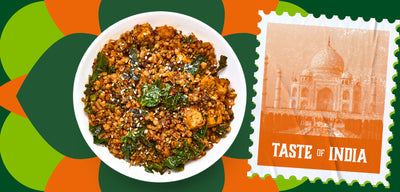
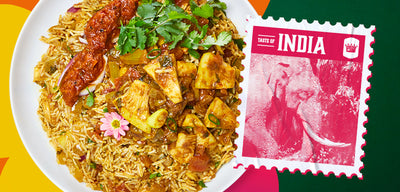
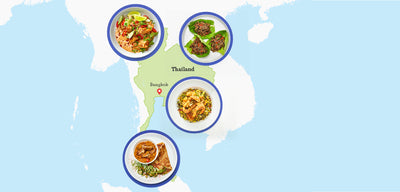
The "steep learning curve" of plant-based cooking is often flattened when we look at global heritage. Many cultures, from South Asia to East Africa, have relied on plant-based staples like lentils, soy, and teff for centuries. A great example we've recently been looking at are Blue Zones.
-
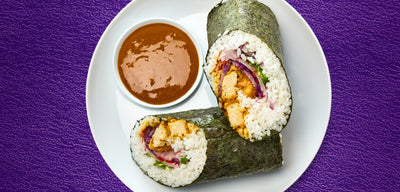
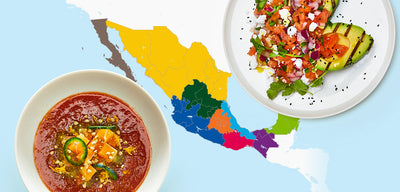
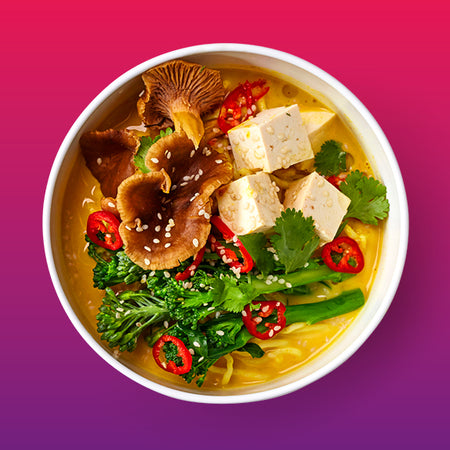
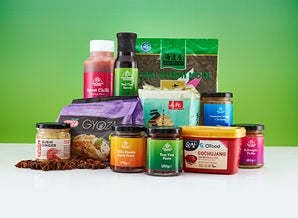
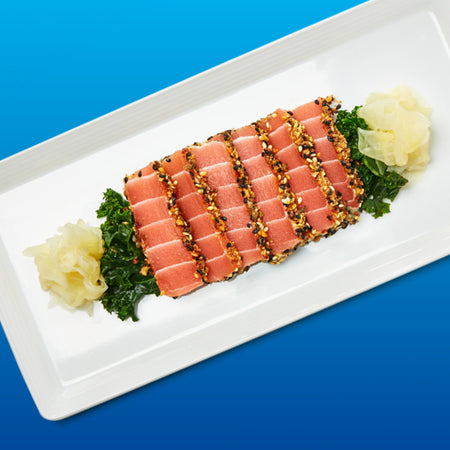
Fusion with Purpose: We are seeing a sensory revolution where Japanese miso and matcha meet Mexican or Levantine flavours, creating mash-ups that prioritise taste above all else.
2. Supplier Diversity: Strengthening the Food System
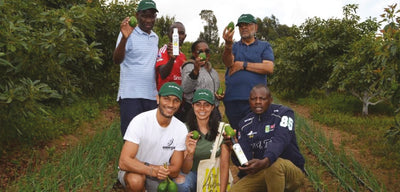
Who we buy from is just as important as what we buy. Supporting SMEs, especially those led by women and minorities, is a practical way to build a more resilient supply chain.
-
Fresh Perspectives: Diverse teams and suppliers often bring fresh perspectives and innovative solutions to the table, particularly in sustainable packaging and local sourcing.
-
Economic Inclusion: Sourcing from underrepresented groups helps dismantle systemic barriers and supports local economies, making the entire industry "better for people, the planet, and your business".
3. How is DEI creating inclusive dining experiences?
An inclusive menu does more than just offer a ‘vegan option.’ It acknowledges that dietary choices are often tied to cultural identities, beliefs, and values.
-
Social Inclusivity: Shared dining experiences celebrate diverse backgrounds. When menus are thought-provoking and accommodate various needs, whether for faith, health, or ethics, they foster a culture of inclusivity and collaboration.
-
Breaking the Status Symbol Barrier: Historically, meat was often seen as a status symbol in many cultures. DEI initiatives in food education help shift this narrative, making plant-based accessible for all socioeconomic backgrounds.
4. How does DEI help sustainability?
Beyond innovation and inclusivity, DEI is also helping the food industry become more sustainable.
-
Waste Reduction through Inclusion: Employees who feel valued and heard are more invested in operational improvements like minimising food waste, rethinking packaging, or optimising kitchen efficiency - because they see themselves as part of the solution.
-
By weaving inclusion and equity into everyday operations, the food industry is showing that caring for people and the planet go hand in hand, and that a more diverse and empowered workforce is key to a truly sustainable future.
Insights from the Vegetarian Express Team
“Sustainability isn't a solo sport; it’s about the collective impact of diverse partners. As a B Corp business, we are committed to doing business that balances people, planet, and profit. By intentionally working with a high number of SMEs, including those run by women and minorities, we ensure our growth actively supports positive, more sustainable changes.” — Jane Firth, Sustainability Manager
“Innovation happens when we challenge the norm. My role is to help chefs see that plant-based food doesn't mean compromise. By tapping into flavours and techniques from around the world, we give chefs the ideas and inspiration to make plant-based dishes the star of the menu, not an afterthought.” — Dan Blucert, Innovation Chef
“Helping operators cater for everyone is how we support their success. My role is about defining ranges that meet evolving customer needs and champion greater diversity, so products have a clear route to market. By building more inclusive ranges, we’re not just being ‘nice to have’, we’re helping businesses reach more customers and pushing the industry in a better direction.” — Emma Gregory, Category Development Manager