A Culinary Journey Through Mexico: Exploring 9 Regional Mexican Dishes
Mexico’s rich and diverse culinary heritage is a direct reflection of its varied geography, indigenous cultures, and global influences. Let’s dive into nine key food regions, exploring their defining characteristics, iconic dishes, key ingredients, and the chefs and restaurants keeping these traditions alive.
Chiapas & Tabasco
Flavourful Simplicity Rooted in Tradition
Chiapas cuisine blends indigenous roots with Spanish influences, featuring rustic dishes with simple yet bold flavours. Corn, cacao, and tropical herbs stand out, while banana leaves and unique chillies add a signature flair.
Iconic Dishes
Cochito – Slow-roasted marinated pork, often served at festivals.
Corn Tamales – Made from seasoned corn dough (masa) filled with various ingredients and then wrapped in corn husks or banana leaves.
Tascalate – A cold, spiced drink made with corn, cacao, pine nuts, and achiote.
Key Ingredients
Chipilín (local herb)
Cacao
Banana leaves
Simojovel chilli (aka chile piquín)
Hoja santa
Notable Figures & Places
Chef Marta Zepeda is known for preserving indigenous Chiapaneco flavours at Tierra y Cielo restaurant in San Cristóbal de las Casas.
Central Mexico & Mexico City
A Melting Pot of Flavours
Mexico City’s cuisine reflects the capital’s history as a hub for migration, blending culinary traditions from across Mexico with global influences. From vibrant street food stalls to fine dining, the city’s food scene is as diverse as its population.
Iconic Dishes
Tacos al Pastor – Marinated pork cooked on a vertical spit, served with pineapple, onions, and coriander. See our al Pastor Marinade.
Torta Ahogada – A crusty bread roll filled with pork and refried beans, drowned in spicy tomato sauce.
Barbacoa – Slow-cooked lamb, traditionally pit-roasted, served with consommé and tortillas.
Loaded Nachos – A vibrant street food favourite in Mexico City made with crispy tortillas and often topped with tomatillos, sour cream and cheese.
Key Ingredients
Maize
Coriander
Avocado
Chillies (varied types)
Epazote
Notable Figures & Places
Chef Enrique Olvera has elevated Mexican cuisine to international acclaim with Pujol, consistently ranked among the world’s best restaurants.
Nicos, a family-run institution, preserves traditional recipes with a contemporary touch.
Los Loosers Mexico’s first vegan restaurant seamlessly blends Japanese and Mexican influences into its innovative plant-based cuisine.
Northern Mexico
Grilled Meats and Rugged Simplicity
Northern Mexico’s cuisine reflects its vast ranch lands and rugged climate, with a focus on grilled meats, preserved ingredients, and wheat-based breads. It combines indigenous techniques with Spanish and immigrant influences, particularly from Germany, China, and the United States.
Iconic Dishes
Carne Asada – Grilled beef, marinated simply (with citrus and Jalapeño) and served with tortillas, salsas, and charred vegetables.
Arrachera – Marinated in achiote adobo, grilled skirt steak, often served with grilled vegetables.
Machaca – Air-dried, chilli-spiced beef, rehydrated and cooked with eggs or vegetables.
Queso Fresco – A fresh, mild Mexican cheese with the name literally meaning “fresh cheese” in Spanish.
Key Ingredients
Beef
Flour tortillas
Dried chillies
Queso Menonita (Chihuahua cheese)
Nopales (cactus paddles)
Notable Figures & Places
Pangea in Monterrey, led by Chef Guillermo González Beristáin, is widely considered one of the north’s most innovative fine dining destinations.
Oaxaca (Wahaca)
A Tapestry of Moles and Tradition
Oaxaca’s cuisine is a rich tapestry of indigenous Mixtec and Zapotec traditions, influenced by Spanish colonial touches. Its famous moles, artisanal cheeses, and ancient cooking techniques make it a gastronomic treasure.
Iconic Dishes
Mole Negro – A rich, complex sauce made with chillies, chocolate, nuts, and spices, served over meat.
Tlayuda – A large, crisp tortilla topped with beans, cheese, avocado, meat, and salsa - known affectionately as a Mexican pizza.
Enmoladas – Tortillas dipped in mole sauce and filled with cheese or meat.
Key Ingredients
Maize
Hoja santa
Pasilla Oaxaqueña chilli
Black beans
Oaxaca cheese
Notable Figures & Places
Chef Alejandro Ruiz of Casa Oaxaca is renowned for elevating Oaxacan cuisine with modern techniques.
Itanoni, a small eatery in Oaxaca City, celebrates heirloom maize and traditional tortilla-making.
Chef Rodolfo Castellanos, winner of Top Chef México, runs Origen, blending traditional flavours with contemporary presentations.
Hierba Dulce offer a 100% plant-based menu using ingredients grown in their agroecological garden.
Veracruz
Where Land Meets Sea
Veracruz cuisine blends indigenous, Spanish, and Afro-Caribbean influences into a seafood-centric culinary tradition. Rich sauces, tropical fruits, and fragrant herbs characterise the state’s dishes, with a balance of savoury and sweet.
Iconic Dishes
Huachinango a la Veracruzana – Red snapper cooked with tomatoes, olives, capers, and herbs.
Arroz a la Tumbada – A seafood rice dish cooked with tomatoes and chillies.
Garnachas – Fried maize discs topped with shredded meat, salsa, and cheese.
Plantain Tostada – A flat, crispy fried or baked corn tortilla topped with plantain.
Key Ingredients
Vanilla
Acuyo (anise-scented leaf)
Plantain
Seafood (red snapper, shrimp)
Rice
Notable Figures & Places
Chef Raquel Torres Cerdán has dedicated her career to documenting and preserving Veracruz’s indigenous culinary traditions.
Western Mexico / Pacific Coast
A Celebration of Flavour and Festivity
Western Mexico’s cuisine is a reflection of the region’s rich natural resources, indigenous Purepecha traditions, and Spanish influences. It ranges from hearty stews to celebratory dishes, often accompanied by regional spirits.
Iconic Dishes
Birria – A spiced meat stew (goat, lamb, or beef) slow-cooked and served with tortillas and consommé.
Carnitas – Pork slow-cooked in its fat, a speciality of Michoacán.
Pozole – Hominy stew with pork, cabbage, radish, and oregano.
Key Ingredients
Maize
Pork
Chillies (cascabel, guajillo)
Limes
Avocado
Notable Figures & Places
Chef Margarita Carrillo Arronte, an ambassador for Mexican cuisine, has highlighted Michoacán’s culinary heritage in her books and television programmes.
Alcalde in Guadalajara, led by Chef Francisco Ruano, showcases modern interpretations of local ingredients and dishes.
Yucatán
Mayan Heritage and Caribbean Flair
Yucatán’s cuisine fuses ancient Mayan traditions with European and Caribbean influences, creating a unique culinary identity. Slow-cooked meats, citrus marinades, and vibrant salsas define the region’s distinctive flavours.
Iconic Dishes
Cochinita Pibil – Slow-roasted pork marinated in achiote and bitter orange, wrapped in banana leaves.
Sopa de Lima – Aromatic chicken soup with lime and crisp tortilla strips.
Papadzules – Tortillas filled with egg and topped with pumpkin seed sauce and tomato.
Pollo a la Naranja – A roasted chicken dish marinated in orange.
Key Ingredients
Achiote
Bitter orange
Plantain
Banana leaves
Chaya (leafy green)
Notable Figures & Places
Chef Roberto Solís of Néctar in Mérida is a pioneer of New Yucatecan Cuisine, blending traditional ingredients with contemporary techniques.
Chef Pedro Evia’s K’u’uk is renowned for its innovative tasting menus inspired by Yucatán’s culinary history.
Hacienda Teya, a historic estate, is famous for serving traditional Yucatecan feasts in an elegant setting.
Bajío
A Culinary Heartland of Central Mexico
The Bajío region, often considered the culinary heartland of Mexico, brings together a rich blend of indigenous and colonial influences. Known for its fertile plains and mild climate, the area is home to a variety of fresh produce, hearty stews, and deliciously complex flavours. The region’s food is grounded in simplicity but delivers depth through unique preparations and fresh seasonings.
Iconic Dishes
Enchiladas Mineras – A regional take on enchiladas, often filled with chicken or beef, covered in a rich red chilli sauce.
Sopa Tarasca – A hearty tomato-based soup originating from the region, often served with a side of crispy tortilla strips.
Pico de gallo – A fresh salsa made from chopped tomatoes, onions, cilantro, and lime, served as a side to almost any meal.
Key Ingredients
Corn
Pork
Chillies (particularly guajillo)
Fresh herbs like cilantro and oregano
Tomatoes
Notable Figures & Places
Chef Juan José Saldívar is a well-known figure in the Bajío and is celebrated for his work in promoting traditional Guanajuato cuisine. His restaurant, El Pialadero de Lorenzo, showcases the rich culinary traditions of the region.
Baja California
A Fusion of Freshness and Coastal Flavours
Baja California cuisine is a dynamic fusion of Mexican, Mediterranean, and Asian influences, shaped by the region’s proximity to the Pacific Ocean and the US border. Known for its emphasis on fresh, high-quality seafood, including fish tacos, ceviche, and a variety of shellfish. With an array of vegetables, spices, and fresh seafood, Baja California’s cuisine is fresh, innovative, and perfectly aligned with its coastal lifestyle.
Iconic Dishes
Fish Tacos – Freshly battered fish, often served with cabbage, crema, and salsa, wrapped in soft corn tortillas.
Ceviche de Pescado – Raw fish marinated in lime juice and mixed with tomatoes, onions, and cilantro, creating a refreshing and zesty dish.
Langosta (Lobster) – Baja is famous for its lobster, often grilled or served in tacos with rich butter and garlic.
Aguachile - a seafood dish traditionally made with raw shrimp, which is “cooked” in lime juice and mixed with chillies, coriander, cucumber, and red onion.
Key Ingredients
Seafood (fish, lobster, shrimp)
Avocados
Lime
Olive oil
Fresh herbs (oregano, cilantro)
Tomatoes
Notable Figures & Places
Chef Javier Plascencia has championed Baja Med Cuisine, blending Mexican ingredients with Mediterranean influences at Misión 19 in Tijuana.
Chef Benito Molina, renowned for his expertise in coastal Baja cuisine, especially seafood, is a prominent figure in the region’s fine dining scene.
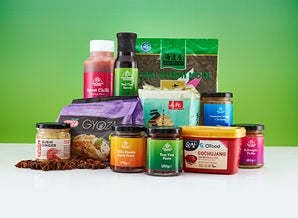
Need wholesale Mexican ingredients? Explore our authentic collection.
Read More